


Can I Get an Abortion in Mississippi?
Abortion is illegal in Mississippi except in two narrow situations, and no abortion clinics are currently operating in the state.
Mississippi law allows abortion only when it is necessary to preserve the life of the mother, or when the pregnancy was caused by rape and a formal charge has been filed with law enforcement.
If you are reading this because you just found out you are pregnant and you are not sure what to do, take a breath.
You are not in trouble for looking.
Understanding where things actually stand is a reasonable first step, and this page lays it out plainly.
What does Mississippi law actually say?
Mississippi’s law took effect on July 7, 2022, after the U.S. Supreme Court’s decision in Dobbs v. Jackson Women’s Health Organization, a case that began right here in Mississippi.
Under Mississippi Code § 41-41-45:
- Abortion is prohibited statewide.
- The only exceptions are to preserve the life of the mother, or a pregnancy caused by rape where a formal charge has been filed with an appropriate law enforcement official.
- Penalties of one to ten years in prison apply to a person who performs or induces an abortion.
One detail is often misunderstood, so it is worth saying clearly: the statute specifically excludes the pregnant woman from that penalty.
The law is written to apply to the person performing the abortion, not to the woman who is pregnant.
Mississippi’s last remaining abortion clinic closed in July 2022. In practical terms, that means even in situations that fall under an exception, there is no clinic in Mississippi providing the procedure.
What about the abortion pill and mail-order medication?
This is where the law changed most recently, and it is the part most people have not heard about yet.
In April 2026, Governor Tate Reeves signed a new law addressing abortion-inducing medication such as mifepristone and misoprostol.
It took effect July 1, 2026. The law makes it a crime to distribute, or to possess with intent to distribute, these medications in Mississippi, with penalties of one to ten years.
Lawmakers who supported it said the goal was to stop out-of-state providers from mailing pills into Mississippi.
The law carves out an exception for medical providers prescribing these same drugs for other purposes, such as managing a miscarriage or stopping postpartum hemorrhaging, since both medications have legitimate uses beyond abortion.
Hope Clinic is not a law firm and cannot give you legal advice. If you have questions about your own legal situation, please talk to a licensed attorney in Mississippi.
Is it safe for women in Mississippi travel to other states?
Abortion laws are set state by state, and the rules in states bordering Mississippi are not all the same.
What we would ask you to consider is this:
Whichever direction you are leaning, there is information about your own pregnancy that you may not have yet, and that information can change the picture entirely.
That is why we recommend that you schedule a free visit with the Hope Clinic in Hattiesburg, Mississippi first. We can help you understand all of the information and options available to you.
You will need an ultrasound and a pregnancy test to determine how far along you are, no matter what you end up deciding. This is your best first step.
Why a medical appointment comes before any decision
A positive home pregnancy test tells you one thing. It does not tell you the three things that actually matter for your next step.
- How far along you are. Home tests cannot date a pregnancy. Your own estimate based on your last period is frequently off by weeks. Gestational age determines what options exist at all, in any state, and it is the single most common thing women are wrong about.
- Whether the pregnancy is in the uterus. In an ectopic pregnancy, the embryo implants outside the uterus, most often in a fallopian tube. Ectopic pregnancies occur in roughly 1 to 2 percent of pregnancies, they cannot continue safely, and they are a genuine medical emergency if left untreated. Abortion medication does not treat an ectopic pregnancy. It can delay the diagnosis while the situation gets more dangerous. Only an ultrasound can rule this out.
- Whether the pregnancy is viable. Somewhere between 10 and 20 percent of known pregnancies end in miscarriage, most in the first trimester. A meaningful number of women make a stressful, expensive decision about a pregnancy that was already ending on its own.
This is the minimum information any woman deserves to have before she makes a pregnancy decision.
What Hope Clinic offers in Hattiesburg
Hope Clinic provides these services at no cost to you:
- Free, medical-grade pregnancy testing
- Free limited obstetric ultrasound to confirm gestational age, location, and viability
- Free, confidential consultation where you can talk through your situation with someone who will not rush you
- Information and referrals for prenatal care, community resources, and support
Hope Clinic does not provide or refer for abortions.
What we do offer is accurate medical information, an ultrasound, and time with someone who will listen without pressure.
You do not need insurance. Everything you say is confidential.
Frequently asked questions
Is abortion legal in Mississippi in 2026?
No. Abortion is banned in Mississippi except to preserve the life of the mother, or in cases of rape where a formal charge has been filed with law enforcement. There are no abortion clinics operating in the state.
Can I be prosecuted for having an abortion in Mississippi?
Mississippi’s abortion statute specifically excludes the pregnant woman from criminal penalty and applies to the person performing the abortion. A separate 2026 law on abortion-inducing medication targets distribution. Because that law is new and its scope is still being interpreted, anyone with legal questions should speak with a licensed Mississippi attorney.
Is it legal to order abortion pills online in Mississippi?
A Mississippi law effective July 1, 2026, makes it a crime to distribute or possess with intent to distribute abortion-inducing medication in the state. Beyond the legal question, ordering medication online means no one has confirmed how far along you are or ruled out an ectopic pregnancy, both of which carry real medical risk.
How much does a pregnancy test or ultrasound cost at Hope Clinic?
Nothing. Pregnancy testing, limited ultrasound, and consultation are free, and no insurance is required.
Do I need parental permission if I am under 18?
For clinic services at Hope Clinic, call us, and we will explain what to expect. Mississippi has separate parental consent requirements that apply to abortion, and those are worth understanding before you make any plans.
Talk to someone today
If you are pregnant and unsure what happens next, start with facts about your own pregnancy.
Hope Clinic 808 S. 28th Ave, Hattiesburg, MS (601) 264-2181
Everything is free and confidential.
This article is for general educational purposes and is not medical or legal advice. Laws change. Verify current Mississippi law with a licensed attorney and discuss your health with a qualified medical provider. Hope Clinic does not provide or refer for abortions.


Think You Might Be Pregnant? Early Signs and What to Do Next
If you are here because your period is late and your body has started doing things that feel unfamiliar, take a breath.
Wondering “am I pregnant?” before you know for sure is one of the most unsettling places to be.
You are not overreacting for wanting answers, and you do not have to figure it out alone.
At Hope Clinic in Hattiesburg, we talk with women every week who are exactly where you are right now: not certain, a little scared, and trying to make sense of what their body is telling them.
This post is meant to give you honest information about early pregnancy signs and a clear sense of what a helpful next step looks like.
Common early signs of pregnancy
Early pregnancy can show up differently for everyone, and some women notice very little at first. Here are the signs that come up most often:
- A missed or late period. This is usually the first thing women notice, though stress, weight changes, and other factors can also delay a period.
- Light spotting or very light bleeding. Sometimes called implantation bleeding, this can be mistaken for a short, light period.
- Sore or swollen breasts. Tenderness, fullness, or sensitivity that feels stronger than your usual premenstrual symptoms.
- Fatigue. Feeling unusually tired or drained, even with normal sleep.
- Nausea. Often called morning sickness, but it can happen at any time of day and frequently starts around four to six weeks.
- Needing to pee more often. A subtle but common early change.
- Food aversions or a sharper sense of smell. Foods you normally like might suddenly turn your stomach.
- Mild cramping or mood changes. These can feel a lot like PMS, which is part of why early pregnancy is so easy to second-guess.
Here is the honest part: almost every one of these symptoms overlaps with a normal period that is simply running late, or with stress and other ordinary causes.
Symptoms alone cannot confirm or rule out a pregnancy. That is not a reason to panic. It is just a reason to get a real answer instead of staying stuck in the guessing.
A positive test is a starting point, not the full picture
If you take a home pregnancy test, a couple of things are worth knowing. These tests look for a hormone called hCG, and they are most reliable once your period is actually late.
Testing too early can give you a false negative, which is why a single result sometimes leaves you more confused than before.
A positive result tells you that you are likely pregnant. What it cannot tell you is how far along you are, whether the pregnancy is developing normally, or whether it is located where it should be.
Those answers come from an ultrasound, not a test strip.
This matters for one reason in particular. In a small number of cases, a pregnancy implants outside the uterus. This is called an ectopic pregnancy, and it can become a serious medical situation if it goes unnoticed.
An ultrasound is the way to confirm that a pregnancy is in the right place and on track. That information is something you will want to have no matter what you are thinking or planning, because it is simply part of understanding your own health.
If you are weighing what to do next
You might already be turning over questions in your mind about what this could mean for your life, your relationship, your plans, or your future. That is a real and valid place to be, and no one should rush or shame you through it.
What we will say plainly is this: a clear, accurate picture of your pregnancy is useful for any path you are considering.
Knowing whether you are actually pregnant, how far along you are, and whether the pregnancy is healthy and properly located is the foundation that every other decision rests on. Good information serves you.
Guesswork does not.
How Hope Clinic can help
We offer free and confidential services to help you get those answers without cost and without pressure. That includes pregnancy testing and a limited ultrasound to confirm and date a pregnancy, along with time to talk through your questions with someone who will listen. You will not be rushed, judged, or pushed.
You are welcome to reach out whenever you are ready:
Whatever you are feeling right now, getting real answers is a steady first step. We are here when you want to take it.
This article is for general informational purposes and is not a substitute for professional medical advice, diagnosis, or treatment. If you have concerns about your health or a possible pregnancy, please speak with a qualified healthcare provider.

What Is an Ectopic Pregnancy and How Do I Know If I Have One?
If you just found out you’re pregnant, and you’re not sure how you feel about it yet, there’s probably a lot going through your mind right now.
You might be researching your options, trying to figure out how far along you are, or just trying to understand what’s happening in your body. You may be asking yourself if you’re even ready to have a baby right now.
Before you make any decisions, there’s one medical situation you need to know about, not because it’s meant to scare you, but because it genuinely matters for your health and safety, no matter which direction you’re leaning.
That situation is an ectopic pregnancy.
Here’s what it is, how to spot it, and why getting an ultrasound first is so important.
What Is an Ectopic Pregnancy?
A normal pregnancy happens when a baby travels through the fallopian tube and implants in the uterus, where the baby can grow. In an ectopic pregnancy, the baby implants somewhere outside the uterus. Most often, this happens in a fallopian tube, which is why you’ll sometimes hear it called a “tubal pregnancy.”
The problem is that a fallopian tube is not designed to hold a growing pregnancy. It has no room to expand the way a uterus does. As a result, an ectopic pregnancy cannot survive and cannot be carried to term.
It’s not a matter of waiting or hoping for things to change. Left untreated, it becomes a serious medical emergency.
About 1 in 50 pregnancies is ectopic. That’s not a huge number, but it’s common enough that every pregnant woman should understand what to watch for.
What Are the Symptoms?
Here’s what makes ectopic pregnancies tricky: early on, they can feel like a normal pregnancy.
You might have a missed period, nausea, tender breasts, and a positive pregnancy test. The test comes back positive because your body is producing the pregnancy hormone (hCG) either way.
As the pregnancy grows in the wrong place, more specific symptoms usually start to appear:
- Sharp or stabbing pain in your lower abdomen or pelvis, often on one side
- Shoulder or neck pain (this can happen if internal bleeding irritates the diaphragm)
- Vaginal bleeding or spotting that feels different from a normal period
- Dizziness, lightheadedness, or feeling like you might faint
- Nausea and vomiting alongside the pain
The pain is often the biggest clue. It may start mild and come and go, but it can become severe. If you’re experiencing sharp, one-sided pelvic pain alongside any bleeding or dizziness, you should seek medical attention right away.
These can be signs of a rupture, which is a medical emergency.
Why This Matters Even If You’re Unsure About the Pregnancy
This is something a lot of women don’t know: if you’re considering taking the abortion pill, an undetected ectopic pregnancy is a serious risk factor.
The abortion pill works by ending a pregnancy inside the uterus. It does not treat an ectopic pregnancy.
If you take it without knowing your pregnancy is ectopic, the medication will not address the ectopic pregnancy at all, and you could still be in danger while assuming the situation has been handled.
This isn’t meant to be a reason for or against any decision you’re considering. It’s just a medical reality that every woman deserves to know before she acts.
Whatever you decide to do, knowing where the pregnancy is located has to come first.
The only way to know for sure is through an ultrasound.
Who Is More Likely to Have an Ectopic Pregnancy?
Some women have a higher risk than others. Risk factors include:
- A previous ectopic pregnancy
- Prior pelvic or fallopian tube surgery
- A history of pelvic inflammatory disease (PID) or STIs like chlamydia or gonorrhoea
- Endometriosis
- Becoming pregnant while using an IUD
- Smoking
That said, ectopic pregnancy can happen to anyone. Many women who experience one have no known risk factors at all.
That’s another reason why an ultrasound early in pregnancy is so valuable, regardless of your history.
What Happens If It Is Ectopic?
If an ultrasound shows that your pregnancy is ectopic, it will need to be treated medically. This is not optional, because the pregnancy cannot continue and will eventually rupture if left alone.
Treatment typically involves medication to stop the pregnancy from growing, or in more advanced cases, surgery. Your doctor will explain which approach is right for your specific situation.
An ectopic pregnancy is not something you caused, and it’s not something that could have been prevented. It’s a medical condition that requires medical care.
What Hope Clinic Can Do for You
At Hope Clinic in Hattiesburg, we offer free limited obstetric ultrasounds. This type of ultrasound can confirm whether your pregnancy is in the uterus, give you an idea of how far along you are, and check for a heartbeat.
We know you might not have made any decisions yet. That’s okay. You don’t have to have a plan to walk through our door. We’re here to make sure you have accurate information about what’s happening in your body so that whatever you decide, you’re making that choice with the full picture.
Our services are completely free and confidential. We don’t judge where you are in this process, and we’re not here to pressure you. We just want to make sure you’re safe.
If you’re newly pregnant and haven’t had an ultrasound yet, please don’t wait. Contact us today to schedule your free appointment.
How Far Along Am I? Understanding Pregnancy Weeks
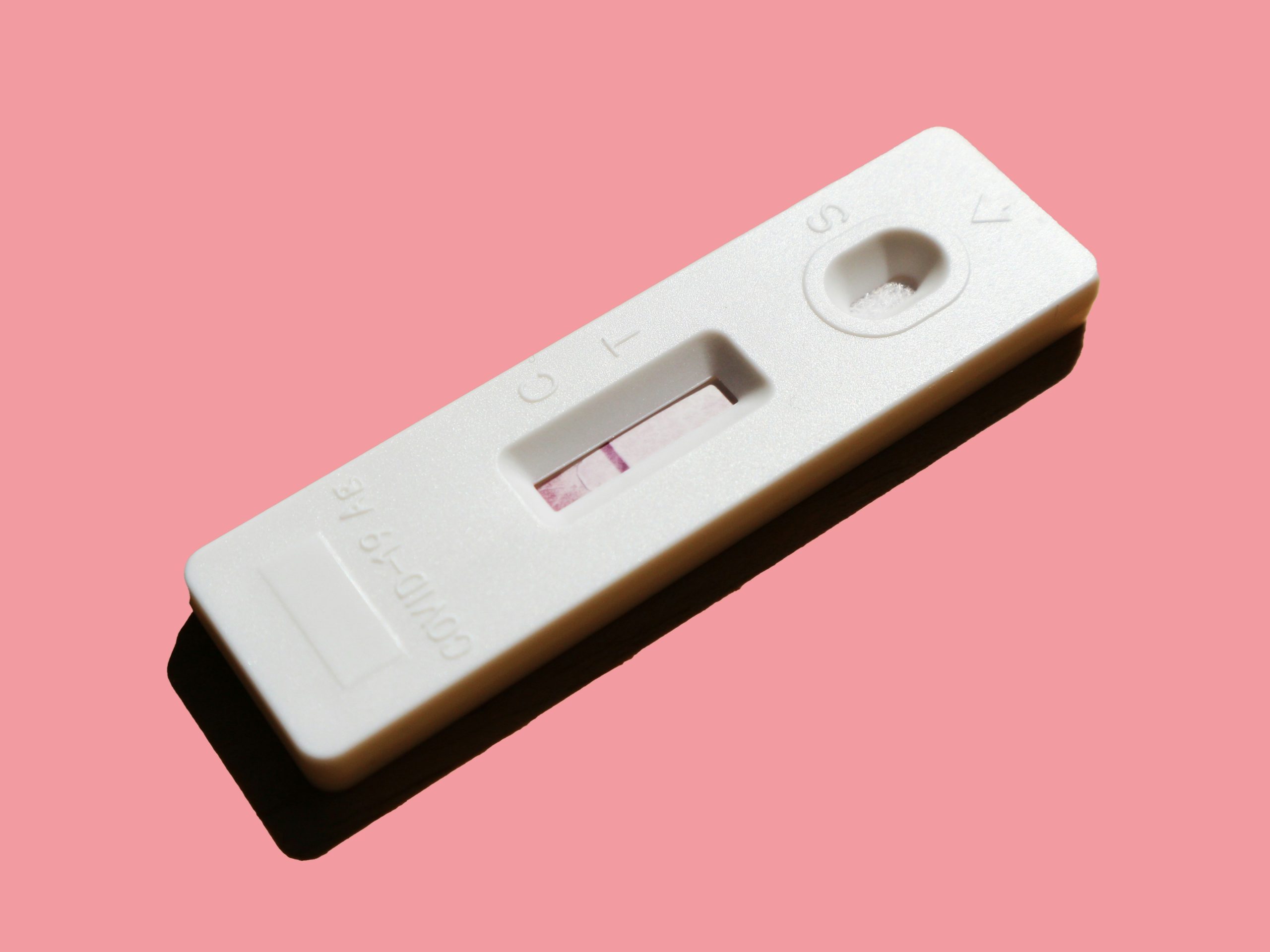
If you’re reading this, you probably already have a positive test or a pretty strong suspicion that you’re pregnant. Now you’re trying to figure out how far along you actually are. Maybe you’re weighing your options and need to know your timeline.
Maybe you’re just trying to wrap your head around what’s happening in your body or you aren’t sure if you are ready to be pregnant or have a baby yet. You may be confused, scared, and feeling alone. Don’t worry, because you don’t have to go through this alone and we are here to help guide you through it so that you make the best decision for you and the baby.
Either way, understanding how pregnancy weeks work is one of the most useful things you can do right now.
Here’s the thing about pregnancy dating: it can be confusing, because doctors count pregnancy differently than most people expect.
How Pregnancy Weeks Are Actually Counted
Most people assume pregnancy is counted from the day of conception. It isn’t. Doctors count pregnancy from the first day of your last menstrual period, often called your LMP.
That means by the time you actually conceive, you’re already considered about two weeks pregnant. And by the time you miss a period and get a positive test, you’re usually already four to six weeks along.
So if your last period started on January 1st and you find out you’re pregnant on February 15th, you’re roughly six and a half weeks pregnant, not six weeks from when you had sex.
This matters a lot, especially in Mississippi, where timing affects every option you have.
The Trimesters
Pregnancy is divided into trimesters. The first trimester runs from weeks 1 through 13. The second trimester covers weeks 14 through 27. The third trimester takes you from week 28 to delivery, usually around week 40.
Most early symptoms and most early decisions happen in that first trimester window.
Why Knowing Your Exact Weeks Matters
If you’re considering your options, including abortion or abortion pills, how far along you are is the single most important factor in what’s available to you and what’s safe. Mississippi law places strict limits on abortion access, and even in states where abortion is more accessible, medical guidelines limit certain procedures based on how far along you are. The abortion pill, for example, is only approved by the FDA through 10 weeks of gestation.
Beyond that, accurate dating matters for medical reasons that apply no matter what you decide to do.
An ultrasound can confirm whether the pregnancy is viable. A significant percentage of early pregnancies end in miscarriage, and sometimes a positive test reflects a pregnancy that isn’t progressing. If you’re going to make decisions about this pregnancy, you want to know if it’s actually developing.
An ultrasound can also rule out an ectopic pregnancy. This is a pregnancy that implants outside the uterus, usually in a fallopian tube. Ectopic pregnancies can’t be carried to term, and they can’t be ended safely with the abortion pill.
They require specific medical treatment, often surgery. Taking abortion medication with an undiagnosed ectopic pregnancy can be life-threatening because the pill won’t end it, and the pregnancy can continue growing until it ruptures the fallopian tube. This is one of the main reasons medical professionals strongly recommend ultrasound confirmation before any abortion decision.
Home Calculations vs. Medical Confirmation
You can do a rough calculation yourself. Count back to the first day of your last period, then count forward in weeks. Online pregnancy calculators do the same math.
But this assumes your cycle is regular and that you remember your last period accurately. Plenty of women have irregular cycles, spotting that they mistake for a period, or just aren’t sure of the exact date. A home calculation can be off by a week or more, and in early pregnancy, that’s enough to change what options are on the table.
An ultrasound gives you the real answer. In the first trimester, dating ultrasounds are usually accurate within a few days.
What Your Gestational Age Might Mean for You
Here’s a quick overview of where most women find themselves when they first confirm a pregnancy:
4 to 6 weeks: Very early. You may have just missed your period or be only a few days late. At this stage, an ultrasound might not yet show a heartbeat, and you may be asked to come back in a week or two for a follow-up scan.
6 to 10 weeks: The most common window for pregnancy confirmation. An ultrasound at this stage can usually confirm viability, detect a heartbeat, and give you an accurate gestational age.
10 to 13 weeks: Still first trimester. Your options begin to narrow at this point for certain types of abortion care, but you have clearer information about the pregnancy itself.
Past 13 weeks: You’re in the second trimester. The medical picture changes, and so do your options.
Unsure if you want to keep your pregnancy? Get your ultrasound in Hattiesburg, MS, first, and then let’s discuss your options.
At Hope Clinic in Hattiesburg, we offer free ultrasounds to confirm pregnancy and determine how far along you are. There’s no cost, no insurance required, and no judgment about what you’re thinking or what you decide to do with the information.
The appointment is confidential.
You’ll meet with someone who can walk you through what the ultrasound shows and give you accurate medical information about where you are in your pregnancy. What you do with that information is your call.
If you’re trying to figure out how far along you are, the fastest and most accurate way to know is to come in. Call or text us to set up a confidential appointment, usually available within a day or two.
You deserve real answers before you make any big decision. We’re here to help you get them.
Partner Doesn't Want the Baby: Navigating Relationship Pressure
Finding out you’re pregnant can bring a flood of emotions. When your partner responds with “I don’t want this baby,” those emotions can quickly turn to confusion, fear, and heartbreak.
Suddenly you’re not just processing an unplanned pregnancy. You’re also dealing with relationship conflict and pressure to make a decision that may not feel like your own.
If you’re in this situation right now, please know that you’re not alone. Many women who walk through our doors at Hope Clinic in Hattiesburg share this same struggle. And while we can’t make the decision for you, we can help you think through what you’re facing with clarity and support.
Your Feelings Matter Too
When a partner reacts negatively to pregnancy news, it’s natural to focus on their feelings and reactions. You might find yourself trying to calm them down, reassure them, or immediately agree with whatever solution they propose just to reduce the tension.
But here’s something important to remember: this is your body and your pregnancy too. Your thoughts, feelings, hopes, and concerns deserve equal weight in this conversation. Feeling pressured to make a rushed decision because someone else is upset isn’t fair to you, and it’s not a healthy foundation for any choice this significant.
Take a breath. You don’t have to decide anything today.
Understanding Where the Pressure Comes From
Partners who pressure women toward abortion often do so out of their own fear. They might be worried about finances, feeling unready for parenthood, concerned about how a baby will change the relationship, or scared about what their own family will think.
These fears are understandable. But fear-based decisions made under pressure often lead to regret. Research has shown that women who feel coerced into abortion are more likely to experience negative emotional effects afterward compared to women who felt the decision was truly their own.
Understanding your partner’s fears doesn’t mean you have to let those fears dictate your choice. It simply helps you see the situation more clearly.
Questions Worth Asking Yourself
Before making any decision about your pregnancy, it helps to spend time with your own thoughts. Consider:
What would I choose if no one else’s opinion mattered? This question isn’t about being selfish. It’s about understanding your own instincts before external pressure clouds them.
Am I being given space to explore all my options? A supportive partner, even one who has concerns, will give you room to think and gather information. Someone who demands an immediate decision or threatens to leave if you don’t comply is not offering support.
What do I think I might feel six months from now? A year from now? Five years from now? Sometimes imagining your future self can provide perspective that’s hard to access in the heat of the moment.
Is this relationship healthy overall? Sometimes pregnancy reveals patterns that were already present. If your partner frequently pressures you, dismisses your feelings, or makes unilateral decisions about your shared life, that’s important information.
When Pressure Crosses a Line
There’s a difference between a partner expressing concerns and a partner trying to control your decision. Watch for warning signs like:
Ultimatums such as “I’ll leave if you don’t get an abortion” or “I won’t support you or this baby financially.”
Attempts to isolate you from family or friends who might offer different perspectives.
Scheduling appointments for you without your input or consent.
Making you feel guilty, stupid, or selfish for considering options other than what they want.
Threatening behavior of any kind.
If you’re experiencing any of these things, please reach out for help. What you’re facing may go beyond normal relationship disagreement into coercion or abuse.
You Have More Support Than You Know
One reason partner pressure feels so overwhelming is that it can make you feel completely alone. If the person closest to you isn’t supportive, who else is there?
The truth is, there are more resources and people ready to help than you might realize. Family members or friends you haven’t told yet may surprise you with their support. Community organizations exist specifically to help women facing unplanned pregnancies with practical needs like housing, baby supplies, financial guidance, and emotional support.
At Hope Clinic, we provide a confidential space where you can talk through your situation without anyone telling you what to do. We offer free pregnancy testing and ultrasounds, and we can connect you with resources in the Hattiesburg area regardless of what you decide.
Taking the Next Step
Whatever you’re feeling right now is valid. Scared, confused, hopeful, heartbroken, determined, uncertain. All of it. This is a significant moment in your life, and it deserves careful thought rather than a rushed reaction.
We encourage you to gather accurate information about your pregnancy and all your options. Talk to people who will listen without pressuring you. Give yourself permission to take the time you need.
You are stronger than you know, and you don’t have to face this alone.
Schedule your free pre-abortion screening today:
- Call or text: 601-264-2181
- Text: 669-500-TEST(8378)
- Schedule online
Remember
You don’t have to face this decision alone. Whether you choose parenting, adoption, or abortion, you deserve complete information, quality medical care, and compassionate support. Take time to understand all your options and the medical facts involved. Your health and safety matter, and help is available.

Navigating Abortion Laws in Your State
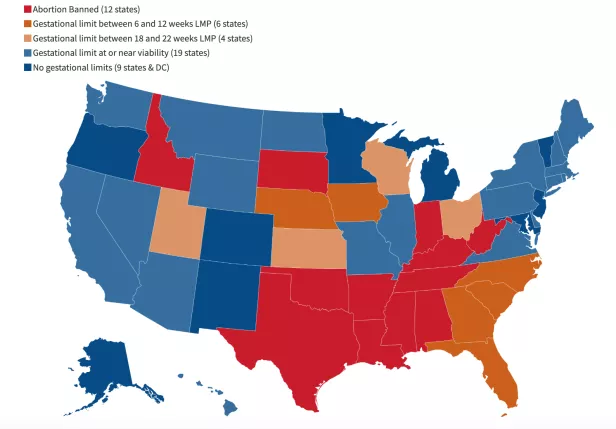
The legal status of abortion in the United States now varies widely from state to state. In June 2022, the Supreme Court’s Dobbs v. Jackson Women’s Health decision overturned Roe v. Wade, ending federal abortion protections and allowing each state to set its own laws.
As a result, some states have banned most abortions, while others protect access.
At Hope Clinic – a Hattiesburg, MS pregnancy resource center that provides information on all options (but does not perform abortions), we understand how confusing this patchwork of laws can be.
This comprehensive guide outlines current abortion laws in all 50 states, including key restrictions and recent legislative changes, to help you understand what is legal in your state. (All information is current as of early 2026, but remember that laws can change; always verify with official sources or legal counsel for the latest updates.)
Below, we list each state alphabetically with a summary of its abortion laws. Find your state to see the legality of abortion, any gestational limits, exceptions, and notable recent updates in law. Our goal is to provide clear facts so you can navigate your options within the law.
At Hope Clinic, we offer free pregnancy testing and limited obstetric ultrasounds at no cost to you. We’re here to provide accurate medical information and compassionate support, not to pressure you in any direction. Our trained staff can answer your questions about all your pregnancy options, including what to realistically expect with each path forward.
If you are unsure about the laws or what options you have, consider reaching out to reputable resources (like pregnancy support centers, medical providers, or legal experts) who can help navigate the latest requirements in your state.
Conclusion
Understanding your state’s abortion laws is crucial, since regulations differ dramatically across the country after the fall of Roe. This guide reflects the landscape as of early 2025 – from states with total or near-total bans to states that protect abortion as a fundamental right. Always make sure to check the most current laws (as court cases and new legislation continue to shape policy).
At Hope Clinic, we offer free pregnancy testing and limited obstetric ultrasounds at no cost to you. We’re here to provide accurate medical information and compassionate support, not to pressure you in any direction. Our trained staff can answer your questions about all your pregnancy options, including what to realistically expect with each path forward.
If you are unsure about the laws or what options you have, consider reaching out to reputable resources (like pregnancy support centers, medical providers, or legal experts) who can help navigate the latest requirements in your state.

Emergency Contraception vs. Abortion Pill: Key Differences Explained
What’s the Difference Between Emergency Contraception and the Abortion Pill?
Emergency contraception (Plan B, ella) and the abortion pill (mifepristone/misoprostol) are completely different medications with different purposes. Emergency contraception prevents pregnancy from occurring, while the abortion pill ends an existing pregnancy. This is the fundamental difference that many people don’t understand.
If you’re confused about which medication you might need or have questions about your options, Hope Clinic offers free pregnancy testing and confidential counseling to help you understand your situation and make an informed decision.
Can I order Abortion Pills Online?
Yes, it’s possible to order pills online, but it’s important to ask yourself if it’s safe. Ordering abortion pills seems convenient and easy, but it does come with huge risks. When you order things from online pharmacies, they don’t always ask the right questions or get the necessary information that an in-person doctor would get. You could end up ordering chemicals or pills that are completely different from what you ordered. If you take counterfeit pills that are contaminated or mislabeled, you could put your health in serious danger.
That is why confirming your pregnancy with a healthcare provider is so important before you take any steps to get abortion pills.
How Does Emergency Contraception Work?
Emergency contraception works by preventing or delaying ovulation (the release of an egg from your ovary). If there’s no egg available when sperm are present, pregnancy cannot occur.
Plan B (levonorgestrel) must be taken within 72 hours of unprotected sex and is more effective the sooner you take it. You can get it over-the-counter without a prescription. Plan B works primarily by preventing ovulation and will NOT end an existing pregnancy.
ella (ulipristal acetate) can be taken up to 120 hours (5 days) after unprotected sex but requires a prescription. It’s more effective than Plan B, especially after 72 hours. Like Plan B, ella works by preventing or delaying ovulation and will NOT terminate an existing pregnancy.
How Does the Abortion Pill Work?
The abortion pill is actually two different medications taken 24-48 hours apart: Mifepristone blocks progesterone, a hormone needed to maintain pregnancy, while Misoprostol causes uterine contractions to expel the pregnancy tissue.
This medication combination is used to end an existing pregnancy and is typically effective through 10-11 weeks of pregnancy. It requires a prescription and medical supervision. The process causes cramping and bleeding similar to a miscarriage and has a completely different purpose than emergency contraception.
Can Emergency Contraception Cause an Abortion?
No, emergency contraception cannot cause an abortion. This is a common misconception. Emergency contraception only works BEFORE pregnancy occurs. If you’re already pregnant, Plan B and ella will not harm or end the pregnancy. These medications cannot disrupt an implanted embryo. Medical organizations including the FDA confirm emergency contraception is not an abortifacient.
How Do I Know Which One I Need?
The timing and your pregnancy status determine which medication might be relevant:
You might need emergency contraception if you had unprotected sex within the last 5 days, your birth control failed (broken condom, missed pills), you want to prevent pregnancy from occurring, or you haven’t confirmed you’re pregnant yet.
The abortion pill would be relevant if you have a confirmed pregnancy (positive pregnancy test), you’re within the gestational limits (typically up to 10-11 weeks), you’ve decided to terminate the pregnancy, and you’ve consulted with a medical provider.
What If I Already Took Emergency Contraception But Think I Might Be Pregnant?
If you took emergency contraception but your period is late or you’re experiencing pregnancy symptoms, the first step is to take a pregnancy test since emergency contraception is not 100% effective. It’s important to know that EC doesn’t harm an existing pregnancy, so if you are pregnant, the emergency contraception won’t affect the pregnancy.
You should seek medical confirmation through an ultrasound, which can confirm pregnancy and determine how far along you are. This gives you time to understand your options and make an informed decision. Hope Clinic offers free pregnancy testing and limited ultrasounds to help you confirm your pregnancy status and understand your options.
Are There Side Effects I Should Know About?
Emergency Contraception side effects are usually mild and temporary. You might experience nausea or vomiting, fatigue, headache, breast tenderness, irregular bleeding or spotting, and changes to your next period. These typically resolve quickly and don’t require medical intervention.
Abortion pill side effects are more significant and include heavy bleeding and cramping as an expected part of the process. You may also experience nausea, vomiting, diarrhea, fever and chills. This process requires follow-up care and carries a risk of incomplete abortion that might require surgical intervention. There can also be emotional and psychological effects to consider.
What Are My Rights in Mississippi Regarding These Medications?
The abortion pill is not legal in Mississippi because the state has a near-total abortion ban. This ban went into effect on July 7, 2022, and prohibits all abortions except to save the life of the pregnant person or in cases of rape or incest reported to law enforcement.
Where Can I Get Accurate Information and Support?
If you’re facing an unplanned pregnancy or have questions about your options, it’s important to get accurate medical information and support. Hope Clinic provides free pregnancy testing to confirm your pregnancy status, free limited ultrasounds to determine gestational age, confidential options counseling to help you understand all your choices, accurate medical information about all pregnancy options, and referrals to community resources based on your decision.
We don’t provide or refer for abortion services or emergency contraception, but we offer accurate information about all options so you can make an informed decision.
Frequently Asked Questions
Can I take emergency contraception if I’m already on birth control?
Yes, emergency contraception can be used as backup if your regular birth control failed or you missed doses. It won’t interfere with your ongoing birth control.
How will I know if emergency contraception worked?
Your next period should come at the expected time or within a week. If your period is more than a week late, take a pregnancy test.
Can emergency contraception protect me from STIs?
No, emergency contraception only helps prevent pregnancy. It provides no protection against sexually transmitted infections.
What’s the difference between Plan B and the “morning-after pill”?
They’re the same thing. Plan B is a brand name for the morning-after pill (emergency contraception).
If I took Plan B but I’m still pregnant, will the baby have birth defects?
No, studies show that emergency contraception does not increase the risk of birth defects if pregnancy occurs or continues.
How effective is emergency contraception compared to the abortion pill?
This isn’t a direct comparison since they serve different purposes. Emergency contraception is about 75-89% effective at preventing pregnancy. The abortion pill is about 95-98% effective at ending an early pregnancy.
Can I buy the abortion pill over the counter like Plan B?
No, the abortion pill (mifepristone/misoprostol) requires a prescription and medical supervision. Only emergency contraception (Plan B) is available over-the-counter.
What if I can’t afford emergency contraception or pregnancy care?
Hope Clinic provides free pregnancy testing and ultrasounds. For emergency contraception, many pharmacies offer generic versions that cost less, and some clinics provide it free or at reduced cost.
Need Support? We’re Here to Help
If you’re facing an unplanned pregnancy or have questions about your situation, Hop Clinic offers free, confidential services to help you make an informed decision. We provide pregnancy testing, limited ultrasounds, options counseling, community referrals, and emotional support.
Schedule your free pre-abortion screening today:
- Call or text: 601-264-2181
- Text: 669-500-TEST(8378)
- Schedule online
Remember
You don’t have to face this decision alone. Whether you choose parenting, adoption, or abortion, you deserve complete information, quality medical care, and compassionate support. Take time to understand all your options and the medical facts involved. Your health and safety matter, and help is available.


What Happens During an Abortion? Medical Facts You Should Know
If you’re facing an unexpected pregnancy and considering your options, you may be searching for factual information about abortion procedures. Understanding what actually happens during an abortion, both medically and physically, is crucial for making an informed decision about your pregnancy.
At Hope Clinic, we believe every woman deserves complete, accurate medical information before making any pregnancy decision. While we don’t provide abortions, we offer free pre-abortion consultations, sonograms, and medically accurate information to help you understand all your options.
If you are pregnant and are not sure what to do, please give us a call and schedule an appointment with our nurses, so we can get you seen as soon as possible. We are here to help you through this process.
Why Medical Information Matters
Before deciding if you want to have an abortion, it’s essential to:
- Confirm you’re actually pregnant
- Determine how far along you are (this affects what options are available)
- Understand the specific risks and procedures involved
- Understand that you have many options available to you
Types of Abortion Procedures
The type of abortion procedure depends primarily on how far along you are in your pregnancy.
Here are some different types of abortions available:
Medical Abortion (The Abortion Pill)
When it’s used: Typically up to 10 weeks of pregnancy
What happens medically: The abortion pill actually involves two different medications taken 24-48 hours apart:
- Mifepristone blocks progesterone, a hormone needed to maintain pregnancy
- Misoprostol causes the uterus to contract and expel the pregnancy tissue
What you might experience:
- Heavy bleeding and cramping (often more intense than a regular period)
- Passing large blood clots and tissue
- Nausea, vomiting, diarrhea, fever, and chills
- The process typically takes 1-2 days but can last up to 2 weeks
Important medical facts:
- Requires 2-3 medical visits in most cases
- Fails in about 2-7% of cases, potentially requiring surgical abortion
- Cannot treat ectopic pregnancy (a medical emergency)
Surgical Abortion Procedures
First Trimester (up to 13 weeks): Vacuum Aspiration
- The cervix is dilated (opened)
- A tube connected to a suction machine removes the pregnancy tissue
- Takes about 5-10 minutes
- May involve scraping the uterine walls to ensure complete removal
Second Trimester (13-24 weeks): Dilation and Evacuation (D&E)
- Requires wider cervical dilation, often started 1-2 days before
- Uses vacuum aspiration and medical instruments to remove fetal parts
- Takes 15-30 minutes
- May require ultrasound guidance
Medical Risks to Consider
According to medical studies and the FDA, potential complications can include:
Immediate Risks:
- Heavy bleeding requiring transfusion
- Infection, including sepsis
- Incomplete abortion requiring additional procedure
- Damage to cervix or uterus
- Allergic reaction to medications
Longer-term Considerations:
- Potential impact on future pregnancies
- Emotional and psychological effects
- Increased risk with later-term procedures
- Complications more likely without proper medical screening
Critical Questions to Ask Before Any Abortion
-
- Have I confirmed my pregnancy with an ultrasound? This determines viability and rules out ectopic pregnancy.
- How far along am I exactly? This affects your options and risks.
- Have I been tested for STDs? Untreated infections increase complication risks.
- What are the specific risks for someone with my medical history?
- What follow-up care will I need?
- What are the signs of complications I should watch for?
- Do I understand all of my other options?
Telehealth vs. Unverified Sources
If you’re considering medication abortion, you may have come across various online options and wondered about their safety. It’s important to understand that not all online sources are the same; there’s a significant difference between legitimate telehealth services and potentially dangerous, unverified sources.
Unverified Online Sources
There are unverified websites and international sources of abortion pills that may not follow any medical protocols at all. These sources often provide no medical screening for ectopic pregnancy or other serious complications. You have no way to verify that you’re receiving genuine, FDA-approved medications rather than counterfeits or expired drugs.
The dosing information may be incorrect, the medications could have been improperly stored or contaminated, and there’s typically no medical support available if you experience complications.
One of the most serious risks is that unverified sources don’t confirm your gestational age. Medication abortion is only considered safe through about 10-11 weeks of pregnancy, and the risks increase significantly after that point.
If shipping is delayed or you’re further along than you realize, you could be taking these medications outside the safe window. Additionally, depending on where you live, there may be legal risks associated with obtaining medications from unregulated international sources.
Why Medical Screening Can’t Be Skipped
Whether you’re considering in-person care or telehealth services, proper medical screening isn’t just a formality; it’s essential for your safety. Ectopic pregnancy, where the embryo implants outside the uterus, affects about 1-2% of all pregnancies and is a life-threatening emergency that abortion pills cannot treat.
Without an ultrasound or proper medical evaluation, an ectopic pregnancy can go undetected until it becomes a medical crisis.
Accurate gestational age dating is equally critical. Medication abortion is FDA-approved only through 10 weeks, and attempting it later increases your risk of complications and the likelihood that it won’t work completely, potentially requiring a surgical procedure anyway.
Your individual medical history can also identify factors that might increase your risk of complications, and if you have a negative Rh factor, you may need additional treatment to prevent complications in future pregnancies.
Getting the Information You Need First
Before making any decisions about where or how to obtain abortion services, it’s worth taking the time to confirm some basic medical facts about your pregnancy. An ultrasound can verify where the pregnancy is located and exactly how far along you are, which affects all of your options. This information helps you make safer choices, regardless of which direction you ultimately decide to go.
At Hope Clinic, we provide free ultrasounds and pregnancy confirmation specifically so you can have this crucial information before making any decisions. We can help you understand all your options, including where to access safe abortion services if that’s the choice you’re making. We provide medical referrals to licensed providers and offer follow-up support regardless of what you decide.
Take the Next Step
Before making any decision about your pregnancy, get the medical facts you need. Knowledge is power, and you deserve to know exactly what any procedure involves before consenting to it.
Schedule your free pre-abortion screening today:
- Call or text: 601-264-2181
- Text: 669-500-TEST(8378)
- Schedule online
Remember
You don’t have to face this decision alone. Whether you choose parenting, adoption, or abortion, you deserve complete information, quality medical care, and compassionate support. Take time to understand all your options and the medical facts involved. Your health and safety matter, and help is available.
I'm Pregnant and I Feel Alone - What Should I Do?

Finding out you’re pregnant can bring a whirlwind of emotions, especially when you feel like you’re facing this life-changing moment without support.
If you’re reading this feeling scared, overwhelmed, or isolated, know that you are not alone in these feelings, and there are people and resources ready to help you navigate this journey.
You Are Not Alone
First and foremost, while your feelings of loneliness are valid and understandable, you have more support available than you might realize.
Millions of women have walked this path before you, and there’s an entire network of professionals, organizations, and communities dedicated to supporting women through pregnancy and beyond.
At Hope Clinic in Hattiesburg, MS, we have helped countless girls and women who are going through an unplanned pregnancy. We’ve put together the following blog post and resources to help you through your pregnancy.
Understanding Your Options
When facing an unplanned or challenging pregnancy, you have several paths forward, and taking time to consider each one carefully is important:
- Continuing the Pregnancy and Parenting – If you choose to continue your pregnancy and raise your child, extensive support systems exist to help you succeed as a parent. This includes prenatal care, parenting classes, financial assistance programs, childcare resources, and ongoing community support.
- Continuing the Pregnancy and Choosing Adoption – Adoption allows you to give your child a loving home while making your own life decisions. Modern adoption often involves you choosing the adoptive family and maintaining whatever level of contact feels right for you. Adoption agencies provide counseling and support throughout the entire process.
- Pregnancy Termination – If you have thought about having an abortion as a solution for your circumstances know that it’s not the only choice you have. This is a huge decision to make and should be thought through. Healthcare providers like Hope Clinic can discuss the options available to you, timing considerations, and provide both medical care and counseling support.
Sources of Emotional Support
Professional Counseling – Pregnancy counselors and therapists specialize in helping women work through the complex emotions that come with pregnancy decisions. Many offer free or sliding-scale services, and some are specifically trained in pregnancy-related counseling.
Healthcare Providers – Your doctor, midwife, or clinic staff are valuable sources of both medical information and emotional support. They can connect you with additional resources and help you understand all your options without judgment.
Trusted Friends and Family – While it might feel daunting, reaching out to people you trust can provide unexpected support. Sometimes the people we think might react poorly actually respond with love and understanding.
Support Groups – Both in-person and online support groups connect you with other women who understand exactly what you’re going through. These communities offer practical advice, emotional support, and lasting friendships.
Pregnancy Resource Centers – These centers offer free services including pregnancy testing, counseling, and resource referrals. While some have specific orientations, many provide non-judgmental support regardless of your decision. Hope Clinic in MS is considered a pregnancy resource center.
Immediate Steps You Can Take
Get Medical Care – Schedule an appointment with a healthcare provider near you or Hope Clinic to confirm your pregnancy and discuss your health needs. Early prenatal care is important regardless of your ultimate decision.
Reach Out to Someone – Identify at least one person you can talk to about your situation. This might be a friend, family member, counselor, or helpline volunteer.
Research Your Resources – Look into local organizations that support pregnant women.
Many communities have comprehensive resource centers that can help with everything from medical care to financial assistance.
Take Care of Your Basic Needs – Ensure you’re eating well, getting rest, and managing stress as much as possible.
Your physical and emotional well-being matter greatly right now.
Financial and Practical Support
Government Programs – There are programs like WIC, SNAP, Medicaid, and TANF that can provide crucial support with food, healthcare, and basic needs during pregnancy and beyond.
Nonprofit Organizations – Many local and national nonprofits offer practical support, including maternity clothes, baby supplies, parenting classes, and financial assistance.
Community Resources – Churches, community centers, and local organizations often have programs specifically designed to support pregnant women and new mothers.
Workplace Protections – Familiarize yourself with your rights regarding pregnancy in the workplace, including time off for appointments and protection from discrimination.
Building Your Support Network
Be Honest About Your Needs – People can’t help if they don’t know what you need. Be specific when asking for support, whether that’s someone to talk to, help with appointments, or practical assistance.
Accept Help When Offered – It can be hard to accept assistance, but allowing others to support you creates meaningful connections and makes your journey less isolating.
Connect with Other Mothers – Whether through formal groups or informal connections, relationships with other mothers can provide ongoing support and practical wisdom.
Taking Care of Your Mental Health
Pregnancy hormones, combined with stress and major life decisions, can significantly impact your emotional well-being. Don’t hesitate to seek professional mental health support if you’re experiencing:
- Persistent feelings of sadness or hopelessness
- Severe anxiety about the future
- Difficulty making decisions or concentrating
- Changes in sleep or appetite beyond normal pregnancy symptoms
- Thoughts of harming yourself
Moving Forward
Remember that feeling alone doesn’t mean you have to face this alone. Every day, women in similar situations find their way to supportive communities and resources that help them through pregnancy and beyond.
Your feelings are valid, your concerns are understandable, and your health matters.
Whatever path you choose, make sure it’s your decision, made with adequate support and information.
Take things one day at a time, be gentle with yourself, and remember that asking for help is a sign of strength, not weakness.
You deserve support, care, and respect during this important time in your life. If you need help and want to schedule an appointment, click the button below, and our staff will help you set a time and date to visit Hope Clinic in Hattiesburg, MS.
No matter which option feels right for you, Hope Clinic is here as a caring, non-judgmental resource. We provide free pregnancy testing, options counseling, and accurate information to help you confidently move forward during this life-changing time. You don’t have to navigate this alone – schedule a private appointment today.
Contact us at:
📞 Call Us: 601.264.2181
📍 808 S. 28th Ave., Hattiesburg, MS
You’re not alone. Support is here—and it starts with a simple conversation.
How Late Can You Have an Abortion Before a Baby Feels Pain?

When someone is facing an unplanned pregnancy, emotions run high. There are so many questions to answer—about the future, about support, about options. But one question that often rises to the surface, especially when abortion is being considered later in pregnancy, is this:
“When does a baby feel pain?”
This question goes beyond politics. It goes beyond headlines. It’s personal, it’s deeply human—and it’s worth asking. Because what you choose to do next matters, and you deserve to have all the facts before making a decision.
What the Science Really Says About Fetal Pain
For years, the common medical belief was that a baby could not feel pain until the third trimester—around 24 weeks. This view was based on the assumption that the cerebral cortex (the part of the brain that processes pain in adults) was required for pain perception.
But in 2020, that belief was challenged by a peer-reviewed article in the Journal of Medical Ethics. Researchers Dr. Stuart Derbyshire—a pro-choice neuroscientist—and Dr. John Bockmann reviewed neurological data and concluded:
“The possibility that fetal pain exists before 24 weeks gestation is supported by both neuroscientific and behavioral evidence… Pain perception could begin as early as 12 weeks.”
(Journal of Medical Ethics, Derbyshire & Bockmann, 2020)
Here’s what that means in plain terms:
- 8 weeks: Nerve pathways start to form.
- 12–16 weeks: Pain receptors (nociceptors) develop across most of the body.
- 13–20 weeks: The spinal cord connects to parts of the brain responsible for processing pain signals.
- 20 weeks and beyond: The fetus may react to invasive procedures with stress responses like increased cortisol levels and movement—signs that could indicate discomfort or pain.
Even if experts disagree on the level of conscious awareness at these stages, many now agree that a pain response of some kind is likely by the second trimester.
Why It Matters
Pain changes the conversation. When someone is deciding what to do in the face of an unplanned pregnancy, knowing that the baby inside of them might be able to feel pain can introduce a new emotional dimension to their decision.
Abortion procedures performed after 14 weeks are usually done using Dilation and Evacuation (D&E), a multi-step process that involves dilating the cervix and surgically removing fetal tissue. According to a report from the Charlotte Lozier Institute, around 9% of all abortions in the U.S. occur after the first trimester, meaning tens of thousands of these procedures may happen at a time when the baby can potentially feel pain.
Source: CDC Abortion Surveillance Report, 2022
If there’s even a possibility that a child is experiencing pain during this process, it raises serious ethical questions—ones that each woman deserves the chance to consider without pressure, shame, or fear.
What the Law Says
Across the U.S., states differ in how they handle later-term abortion, and some of that legislation is directly tied to the question of fetal pain.
- 23 states restrict abortion at or beyond 20 weeks on the basis of fetal pain perception.
- Mississippi, for instance, limits most abortions after 15 weeks.
- Some states allow later abortions only in cases of life endangerment or severe fetal anomaly.
- Others still permit abortion through the third trimester, though it is rare.
No matter where you live, it’s important to know both your legal rights and the biological realities behind this issue.
Source: Guttmacher Institute, 2024 State Policies on Later Abortions
Facing the Hard Questions
You might be reading this because you—or someone you love—is facing an unplanned pregnancy. Maybe you’re in your teens. Maybe you’re afraid of what your parents or boyfriend will say. Maybe you feel like abortion is your only option.
Here’s the truth: you don’t have to make a rushed decision. You don’t have to face this alone. And you don’t have to ignore your instincts—especially when they’re telling you to stop and think.
It’s okay to ask hard questions. In fact, it’s wise. That’s how strong women make strong decisions.
What Are My Options?
If you’re unsure about parenting, scared about finances, or worried about your future, there are real options available—ones that don’t involve pain, pressure, or regret. Many pregnancy clinics, including ours, (Hope Clinic) offer:
- Free pregnancy testing
- Ultrasounds to confirm gestational age
- Education about all your legal and medical options
- Support for parenting or adoption planning
- Material resources like baby clothes, diapers, and more
You may be surprised by how much support is out there when you know where to look.
You Deserve the Full Picture
Abortion is not just a medical procedure—it’s a life-altering decision. And the question of whether a baby can feel pain is not something to dismiss.
Even if some medical professionals are still debating the specifics, the growing body of research is clear: by the time many abortions are performed in the second trimester, there is a real possibility that the baby can feel pain. That’s a fact worth considering with honesty and compassion.
You deserve to know what’s happening—not just to your body, but to the life inside of you.
Need to Talk?
We’re here to help. Hope Clinic offers confidential, judgment-free support—whether you’re still processing your pregnancy test results, considering your options, or just need someone to talk to.
Call us or book a free appointment today. You’re not alone. And you’re not out of options.
No matter which option feels right for you, Hope Clinic is here as a caring, non-judgmental resource. We provide free pregnancy testing, options counseling, and accurate information to help you confidently move forward during this life-changing time. You don’t have to navigate this alone – schedule a private appointment today.
Contact us at:
📞 Call Us: 601.264.2181
📍 808 S. 28th Ave., Hattiesburg, MS
You’re not alone. Support is here—and it starts with a simple conversation.